
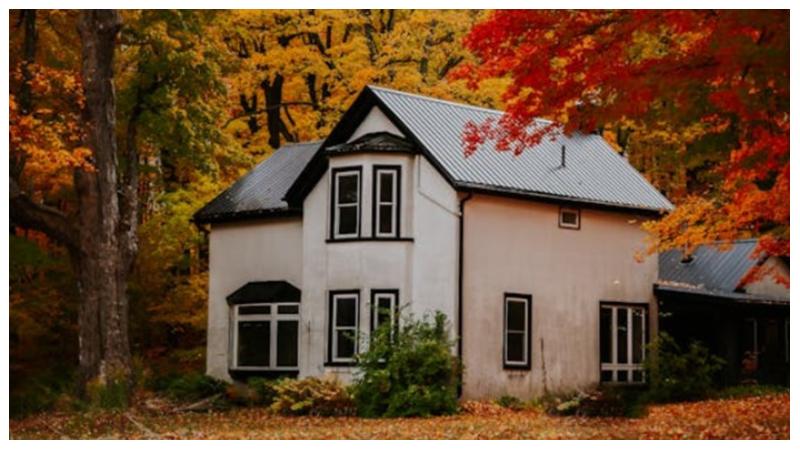
Most people want to make improvements, but the process feels overwhelming. They worry about cost, time, and making the wrong choices. This leads to long delays that cause the home to feel even more tired over time.
A house that feels worn can affect daily life in ways you may not notice at first. You might find yourself avoiding certain rooms because they feel dark or crowded. You may also feel less relaxed at the end of the day because the space doesn’t support your routine. These small frustrations add up and make the home less enjoyable.
The good news is that refreshing a tired home doesn’t require a full renovation. It only requires a clear understanding of what needs attention and a plan that focuses on meaningful updates. With the right steps, any home can feel warm, calm, and inviting again.
1. Taking a Close Look at What Needs Real Attention
When you walk through the house with a careful eye, you start to see which parts have aged in ways that affect daily comfort.
Once you understand which repairs matter most, you can compare the cost of those updates with what you currently have set aside. Some improvements fit into normal monthly spending, but larger repairs—such as replacing old flooring, fixing structural problems, updating major systems, or addressing long-term wear—often require more resources than people expect. When the scope of the project no longer matches the budget, many homeowners look for financing that gives them flexibility, which is why some choose HELOC loans.
After using that option, borrowers can access available equity in stages instead of taking one lump sum. This type of credit line allows them to pay for repairs as they progress, which helps when costs unfold over time. It also lets the homeowner adjust plans as they learn more about what the home needs.
2. Checking the Roof and Exterior for Hidden Wear
A home starts to feel old when the outside begins to break down. Roof shingles curl, siding fades, and gutters clog. These changes look small, but they affect the way the entire house functions. Water may enter through weak spots. Drafts may slip through damaged siding. Noise may feel louder inside. Over time, these issues make the home feel cold, damp, or unsettled.
Fixing the exterior often brings a sense of relief. A strong roof and clean siding protect the home and add comfort. Even simple repairs, like clearing gutters or sealing cracks, help the interior feel more stable. Once the outside feels secure, the inside becomes easier to improve.
3. Modernizing the Kitchen with Smart, Simple Changes
The kitchen often shows wear faster than any other room. Cabinets loosen, appliances age, and surfaces lose their shine. This makes the whole home feel older. You don’t need a full remodel to bring life back into the kitchen. Small changes, done with intention, can transform it.
New hardware gives cabinets a clean look. A fresh faucet or updated lighting above the sink adds practical value. If your appliances no longer work well, replacing one or two key pieces improves daily use right away. These updates make the kitchen feel fresh, organized, and easier to work in.
4. Upgrading Key Systems That Influence Daily Comfort
A home starts to feel worn when its main systems no longer work well. Heating and cooling units lose efficiency with age. Older water heaters take longer to heat water and may not keep a steady temperature. Weak insulation allows warm or cool air to escape. These issues affect daily comfort in clear ways. Rooms may feel uneven in temperature. Utility costs may rise because systems work harder to maintain the same level of comfort.
Replacing or improving these systems helps a tired home feel stable again. A newer HVAC unit runs more efficiently and gives better temperature control. Adding insulation in the attic or walls helps rooms stay comfortable throughout the year. A modern water heater warms water faster and uses less energy. These upgrades support both comfort and long-term savings. They also help the home run more smoothly, which often brings a sense of relief to homeowners who have dealt with uneven temperatures for years.
5. Improving Flooring Where It Makes the Most Difference
Floors show age faster than almost any feature in a home. Carpet holds stains and loses its texture. Hardwood becomes scratched and dull. Older vinyl may peel or fade. These changes affect how the whole room looks and feels. Worn floors also create noise and reduce comfort, especially in high-traffic areas like living rooms and hallways.
You don’t need to replace every floor in the home. Focus on the spaces you use the most. Refinishing hardwood can bring back its natural look. Replacing old carpet with a durable option improves comfort underfoot and helps reduce noise. New vinyl or laminate can offer a modern look at a reasonable cost. Good flooring supports movement through the house and makes each room feel cleaner and more organized. When floors look fresh, the entire home feels more cared for.
6. Redesigning Spaces to Fit Your Current Routine
Many homes feel outdated because their layout no longer matches how people live. A room might sit unused because it doesn’t serve a purpose. Another room may feel cramped because it holds furniture that no longer fits your lifestyle. Instead of accepting these issues, consider how each space could function better.
A dining room that rarely gets used may work well as an office or reading area. A guest room that stays empty could become a hobby space or a quiet spot for exercise. Rearranging furniture can also open up pathways and make rooms feel larger. The goal is to give each room a clear purpose that supports your day-to-day life. When spaces work better, the home feels more comfortable and less cluttered.
A tired home doesn’t need a full overhaul to feel warm and comfortable again. It needs careful attention to the areas that shape daily life. Fixing the exterior, improving windows, updating systems, refreshing lighting, and choosing thoughtful materials all support comfort. When these steps fit your needs and routine, the home starts to feel balanced and easier to enjoy. Each change builds on the last, and over time, the space becomes a true haven—calm, functional, and personal.