

Oxzep7 is a modern, innovative software solution designed to help organizations streamline workflows, automate manual tasks, and improve data efficiency. While the name “Oxzep7” is unique, the concept aligns closely with next-generation digital platforms offering integrated tools for productivity, automation, analytics, and secure operations. Whether used by small teams or enterprise-level businesses, Oxzep7 is built to be flexible, scalable, and customizable based on specific industry needs.
This software is typically developed as a multi-functional system—capable of supporting operations such as project management, workflow automation, analytics dashboards, communication tools, and much more. Due to growing digital transformation trends, platforms like Oxzep7 are becoming essential to modern business ecosystems.
1. Purpose and Core Vision of Oxzep7
The primary purpose of Oxzep7 is to simplify complex processes by combining multiple tools into one unified platform. Instead of businesses relying on separate systems for data analytics, communication, and productivity, Oxzep7 aims to bring them all together.
Its core vision includes:
-
Enhancing operational efficiency
-
Supporting automated workflows
-
Providing secure, centralized data management
-
Offering a user-friendly interface for teams
-
Delivering insights through dashboards and analytics
This vision makes Oxzep7 appealing to organizations searching for a long-term digital solution.
1.1 Why Oxzep7 Development Is in High Demand
Demand for Oxzep7-type software continues to rise for several reasons:
-
Remote and hybrid work environments require centralized platforms.
-
Automation is essential to reduce manual work and boost accuracy.
-
Businesses need real-time insights to make fast, data-driven decisions.
-
Security requirements are becoming more complex.
-
Customization is now a priority for companies that want unique solutions.
As a result, developing Oxzep7 software has become a strategic investment for many industries.
2. Planning the Oxzep7 Software

2.1 Defining Project Scope and Requirements
Before development begins, you must define what Oxzep7 will do, who it will serve, and how the final product should function. Start by collecting:
-
System requirements
-
User expectations
-
Functional and non-functional needs
-
Business goals
-
Technical constraints
This stage ensures that the developers and stakeholders share a clear vision.
2.2 Identifying Target Users and Use Cases
Oxzep7 can be tailored to many sectors, but identifying the right users early helps build the right features.
Possible target users include:
-
Project managers
-
Business analysts
-
IT teams
-
Small business owners
-
Enterprise leaders
Common use cases may involve automation, reporting, communication, and data tracking.
2.3 Setting Development Goals and Timelines
It’s important to divide the project into phases:
-
Prototype
-
MVP (Minimum Viable Product)
-
Full-feature release
-
Continuous enhancement cycles
Having a timeline allows teams to stay organized and avoid project delays.
3. Choosing the Right Technology Stack

3.1 Backend Technologies for Oxzep7
The backend forms the foundation of Oxzep7. Suitable options include:
-
Node.js for real-time features
-
Python Django for advanced logic
-
Java/Spring Boot for enterprise-level security
-
PHP/Laravel for modular applications
-
.NET Core for scalable cloud architecture
The ideal choice depends on performance needs and developer expertise.
3.2 Frontend Frameworks and UI/UX Considerations
Oxzep7 must be easy to use, so UI/UX matters greatly.
Popular frontend choices include:
-
React.js – responsive, component-based interface
-
Angular – structured and suitable for large applications
-
Vue.js – lightweight and beginner-friendly
Good UX practices include:
-
Intuitive navigation
-
Clean layouts
-
Accessible design
-
Fast load speeds
3.3 Database Options and Data Management Needs
Since Oxzep7 handles large volumes of data, choosing the right database is critical.
Top solutions include:
-
MySQL / PostgreSQL – reliable relational databases
-
MongoDB – a flexible NoSQL system for large datasets
-
Firebase – real-time database for interactive features
-
Microsoft SQL Server – ideal for enterprise applications
4. Architecture and System Design
4.1 Designing a Scalable Oxzep7 Architecture
To ensure Oxzep7 can grow with its users, your architecture should support scalability.
Common approaches include:
-
Microservices architecture for modularity
-
Event-driven design for real-time responses
-
Cloud-native infrastructure for low-cost scaling
4.2 API Structure and Integration Planning
APIs allow Oxzep7 to integrate with third-party tools such as CRM systems, automation software, payment gateways, and cloud services. RESTful or GraphQL APIs are ideal for creating a flexible environment.
4.3 Security Protocols and Data Protection
Security is one of the biggest considerations in modern software.
Best practices include:
-
Data encryption
-
Role-based access control
-
Regular security audits
-
Multi-factor authentication
-
Secure API gateways
5. Core Features of Oxzep7 Software
5.1 User Interface and Navigation
A smooth interface plays a major role in user satisfaction. Oxzep7 should offer:
-
Dashboard
-
Search and filter features
-
Clean menus
-
User profiles and settings
5.2 Automation Tools and Functional Modules
Automation modules may include:
-
Auto-generated reports
-
Automatic notifications
-
Workflow rules
-
Task assignment automation
5.3 Reporting, Analytics, and Dashboard Features
Analytics transforms raw data into actionable insights. Oxzep7 should support:
-
Visual charts
-
KPI tracking
-
Real-time dashboards
-
Exportable reports
6. Development Process
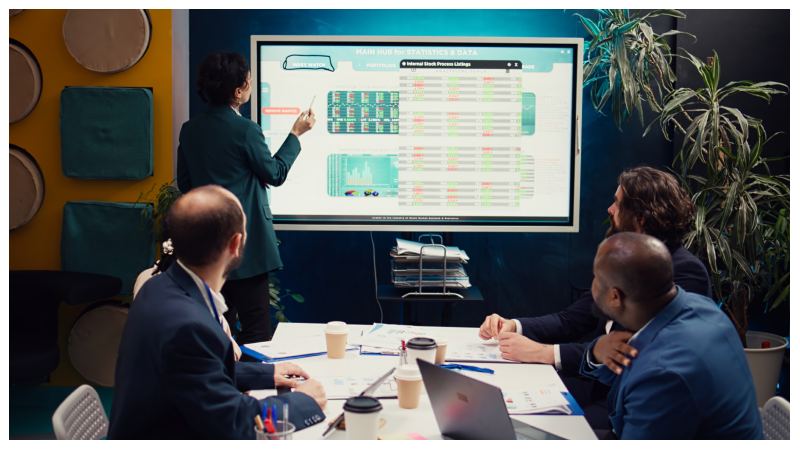
6.1 Setting Up the Development Environment
This includes:
-
Code editor setup
-
Backend and frontend framework installation
-
Version control initialization
-
Database configuration
6.2 Coding Standards and Best Practices
Following standards ensures code quality:
-
Consistent formatting
-
Modular programming
-
Reusable components
-
Secure coding principles
-
Documentation for every module
6.3 Version Control and Collaborative Tools
Essential tools include:
-
Git and GitHub/GitLab
-
Jira or Trello for project management
-
Slack or Teams for communication
7. Testing and Quality Assurance
7.1 Unit and Integration Testing
Unit tests confirm individual components work.
Integration tests verify that the modules interact correctly.
7.2 Performance and Load Testing
This ensures Oxzep7 can handle:
-
High user traffic
-
Large datasets
-
Heavy processing operations
7.3 Security and Vulnerability Assessments
Cybersecurity tests help detect:
-
Weak points
-
Unauthorized access risks
-
Data leakage threats
8. Deployment and Implementation
8.1 Preparing for Deployment
Preparations include:
-
Server configuration
-
Cloud setup
-
Database syncing
-
Security checks
8.2 Cloud vs. On-Premise Deployment Options
Oxzep7 can be deployed in two ways:
-
Cloud – cost-effective, scalable, and easier to update
-
On-Premise – more control and tighter security
8.3 Post-Deployment Monitoring and Optimization
Monitoring ensures:
-
Stability
-
Faster performance
-
Low downtime
9. Maintaining and Updating Oxzep7
9.1 Continuous Improvement Strategies
This includes feature updates, UX improvements, and new modules.
9.2 Bug Fixes and Feature Enhancements
Regular updates maintain user satisfaction and long-term reliability.
9.3 Long-Term Support and Scalability
Oxzep7 should evolve with technology trends and business needs.
10. User Training and Documentation
10.1 Creating Effective User Manuals
Users need clear instructions to understand features easily.
10.2 Training Programs and Tutorials
Training improves:
-
Adoption rate
-
Feature usage
-
User confidence
10.3 Customer Support Systems
Support options may include:
-
Live chat
-
Ticketing systems
-
FAQ sections
-
Video tutorials
11. Challenges in Oxzep7 Software Development
11.1 Technical Challenges
Complex algorithms, API syncing, and scalability issues may arise.
11.2 Budget and Resource Limitations
Proper planning avoids high costs or resource exhaustion.
11.3 Security and Compliance Requirements
Developers must comply with:
-
GDPR
-
HIPAA (if applicable)
-
Local cybersecurity laws
12. Future Trends for Oxzep7 Software
12.1 AI and Machine Learning Integration
AI can provide:
-
Predictive analytics
-
Smart automation
-
Personalized user experiences
12.2 Automation and Cloud-Native Features
Cloud-powered automation improves real-time operations and reduces manual work.
12.3 Expanding Oxzep7 for Enterprise Needs
Future versions may include:
-
Multi-tenant architecture
-
Advanced customization
-
Industry-specific modules
13. Conclusion
13.1 Summary of the Development Process
From planning to deployment, Oxzep7 development requires a combination of strategy, strong architecture, quality coding, and continuous updates.
13.2 Why Oxzep7 Can Transform Workflows
Its integrated features and automation capabilities make it an essential tool for any business looking to enhance productivity and decision-making.
13.3 Final Recommendations for Successful Development
To develop Oxzep7 successfully:
-
Focus on scalability
-
Prioritize security
-
Build with the user in mind
-
Incorporate automation and AI for future readiness