

LLEKomiss software is known as a multifunctional digital tool designed to support workflow automation, data processing, project monitoring, and administrative management within different industries. While the exact use case can vary depending on the version and configuration, LLEKomiss typically helps organizations streamline operations, store information securely, and track essential business processes. Over time, this software has earned recognition for its ability to simplify complex tasks and offer an intuitive interface for users with varying levels of technical experience.
1. Common Uses and Applications
LLEKomiss is commonly used for:
-
Project and workflow management
-
Data entry, storage, and retrieval
-
Employee or stakeholder tracking
-
Administrative documentation
-
Internal communication and coordination
It is utilized by businesses, educational institutions, government teams, research organizations, and individual professionals who need reliable software to maintain structured digital operations.
Why Users Rely on the Software
What makes LLEKomiss popular is its combination of functionality, flexibility, and user-friendly design. Many rely on it for:
-
Efficient task automation
-
Accurate data handling
-
Strong integration capabilities
-
Reduced manual workloads
-
Improved team collaboration
Its broad use has also led to a wide user base—meaning more feedback, more updates, and more awareness of the problems that occasionally arise.
2. Understanding the Nature of LLEKomiss Problems
What Users Mean by “Problem on LLEKomiss Software”
When users refer to a “problem on LLEKomiss software,” they generally mean system errors, performance issues, glitches, or unexpected behavior that interrupt daily use. These problems can range from mild inconveniences to serious obstacles affecting business operations.
Types of Issues Commonly Reported
Typical user-reported problems include:
-
Installation failures
-
Login or account verification issues
-
Slow software performance
-
Data syncing problems
-
File corruption
-
Crashes during execution
These problems can vary in severity depending on the user’s system, internet connection, or software update status.
How These Problems Affect User Productivity
Even small issues can lead to:
-
Delayed project timelines
-
Lost data or incomplete records
-
Increased administrative workload
-
Interrupted communication
-
Reduced workflow efficiency
When technical problems become frequent, it can also lower user confidence in the software and lead to operational risks. Understanding these problems is the first step to solving them effectively.
3. Common Technical Problems in LLEKomiss Software
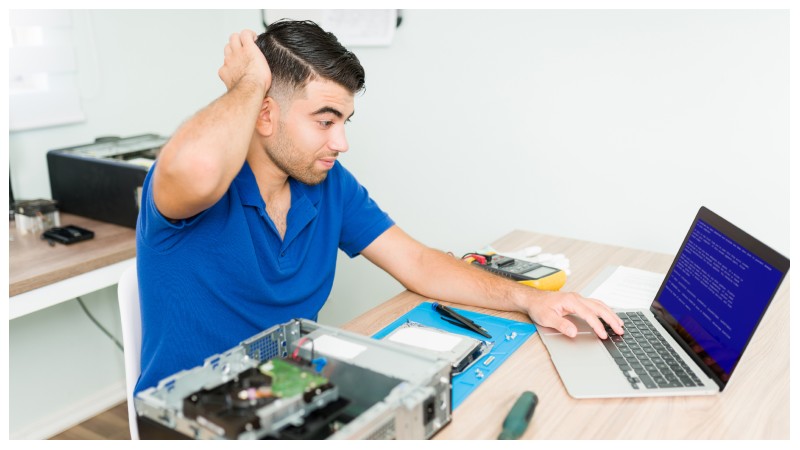
Installation and Setup Issues
Users may encounter:
-
Error messages during installation
-
Missing required files
-
Failure to launch after installation
These issues often occur due to system incompatibility, outdated installers, or incomplete downloads.
Software Freezing or Crashing
Crashes may occur when:
-
Memory usage spikes
-
Multiple heavy tasks run simultaneously
-
The software version has known bugs
These issues disrupt ongoing tasks and may result in lost progress.
Login or Authentication Failures
Users frequently report:
-
Password mismatch
-
Failed captcha verification
-
Server-side authentication delays
These issues can lock users out unexpectedly.
Slow Performance or Lag
Slow performance can come from:
-
Low system memory
-
Background processes interfering
-
Outdated hardware
-
Large files are overwhelming the software
Data Syncing or Storage Problems
Data may fail to sync across devices or cloud accounts. Sometimes entries disappear or fail to update, often due to network interruptions or server delays.
Compatibility Issues With OS or Hardware
Older versions of LLEKomiss may not support:
-
Latest Windows or macOS versions
-
Certain graphics drivers
-
Specific processors
These compatibility issues prevent installation or cause crashes.
4. Causes of LLEKomiss Software Problems
Outdated Software Versions
Many issues arise simply because users continue using older versions that no longer meet modern system requirements.
System Requirement Conflicts
Problems occur when:
-
RAM is insufficient
-
Processor speed is too low
-
Required drivers are missing
Corrupt Files or Incomplete Installation
If the installation files are downloaded incorrectly, the software may malfunction or fail to start.
Network and Connectivity Errors
Some features rely on a stable internet. Weak or unstable connectivity causes syncing issues, login failures, and slow data loading.
User Misconfigurations
Incorrect settings can create unexpected issues such as display errors, disabled features, or performance limitations.
Bug-Related Issues Within the System
Every software release may come with bugs. Developers address them in updates, but unresolved bugs can cause recurring issues.
5. How to Diagnose LLEKomiss Software Issues
Checking System Requirements and Updates
The first step is confirming that your device meets all software requirements and that you are using the latest version.
Reviewing Error Codes or Logs
LLEKomiss often generates logs or error codes. Reviewing them helps identify:
-
Server errors
-
File corruption
-
Permission failures
Running Built-In Diagnostic Tools
Some versions include diagnostic tools that run tests on:
-
Memory usage
-
Connectivity
-
Configuration settings
Verifying Internet and Server Connectivity
Poor internet connection leads to syncing and login issues. Testing with another network helps diagnose the problem.
Testing on Another Device or Account
If the software works on another device, the issue is likely system-specific, not software-specific.
6. Step-by-Step Solutions for Common Problems
Fixing Installation Errors
-
Re-download the installer
-
Run as administrator
-
Disable antivirus temporarily
-
Install required software dependencies
Resolving Login Problems
Solutions include:
-
Resetting the password
-
Checking server status
-
Updating time and date settings
-
Clearing cookies or cache
Improving Speed and Performance
Try:
-
Closing background apps
-
Clearing temporary files
-
Increasing available storage
-
Updating graphics drivers
Repairing Corrupted Data or Files
Use backup files or automated repair tools. In some cases, reinstalling the software helps restore corrupted components.
Adjusting System and User Settings
Resetting to default settings often solves:
-
Display errors
-
Misconfigured preferences
-
Feature malfunctions
Reconfiguring Network Permissions
Ensure the software has:
-
Firewall permission
-
VPN compatibility
-
Access to required ports
7. Advanced Troubleshooting Methods
Reinstalling the Software Cleanly
A clean reinstall removes corrupted files and restores functionality.
Using Safe Mode or Administrator Access
Some errors resolve when running the software with elevated permissions.
Clearing Cache and Temporary Files
Cache buildup slows software, causes glitches, and blocks updates.
Resetting User Preferences
Resetting preferences removes conflicts caused by incorrect settings.
Contacting Developer Support
When issues persist, contacting the official support team ensures expert help with error codes and system diagnostics.
8. Preventing Future Problems in LLEKomiss
Regular Software Updates
Updates contain:
-
Performance improvements
-
Security patches
Maintaining System Compatibility
Ensure that:
-
Drivers are up to date
-
The operating system supports the software
Safe File Handling Practices
Avoid opening:
-
Suspicious files
-
Corrupted data entries
-
Unsupported formats
Recommended Backup Procedures
Backups prevent:
-
Data loss
-
Version conflicts
-
Corrupted file recovery issues
Routine Performance Checks
Scanning the system regularly avoids future slowdowns and crashes.
9. When to Seek Professional Help
Issues Beyond Basic Troubleshooting
Problems such as repeated crashing or unresponsive features often require an expert.
Signs of System Corruption
If files disappear or updates fail repeatedly, the system may need professional repair.
Server-Side or Licensing Problems
Only the official support team can fix:
-
License errors
-
Server connection failures
-
Account suspensions
Importance of Contacting Official Support
Official support ensures safe, accurate, and guaranteed solutions.
10. User Feedback and Reported Experiences
Most Common Complaints
Users typically mention:
-
Slow startup
-
Installation errors
-
Login issues
-
Sync delays
Positive Outcomes After Troubleshooting
Most users report significantly improved performance after:
-
Updating software
-
Clearing cache
-
Adjusting settings
Helpful Tips Shared by the User Community
Users recommend:
-
Keeping backups
-
Updating drivers
-
Avoiding unofficial plugins
11. Comparing LLEKomiss With Other Software
How Competitors Handle Similar Problems
Some competing tools emphasize:
-
Cloud-based functionality
-
Frequent updates
-
More intuitive interfaces
Strengths and Unique Selling Points
LLEKomiss stands out due to:
-
Flexible customization
-
Robust administrative tools
-
Strong offline functionality
Why Users Still Choose It Despite Issues
Users value:
-
Reliability after proper configuration
-
Long-term stability
-
Comprehensive feature set
12. Conclusion
Summary of Key Problems and Solutions
LLEKomiss software may face issues such as installation errors, login problems, slow performance, and syncing failures. However, these can be addressed through proper diagnosis, updates, configuration adjustments, and advanced troubleshooting.
Importance of Regular Software Maintenance
Consistent updates, backups, and performance checks prevent the majority of recurring issues and ensure smoother long-term operation.
Final Advice for Smooth Use of LLEKomiss
Users should:
-
Keep their system updated
-
Monitor software performance
-
Use official help resources
-
Avoid risky third-party files
With proper maintenance and awareness, LLEKomiss remains a reliable and effective tool for daily work and professional tasks.