
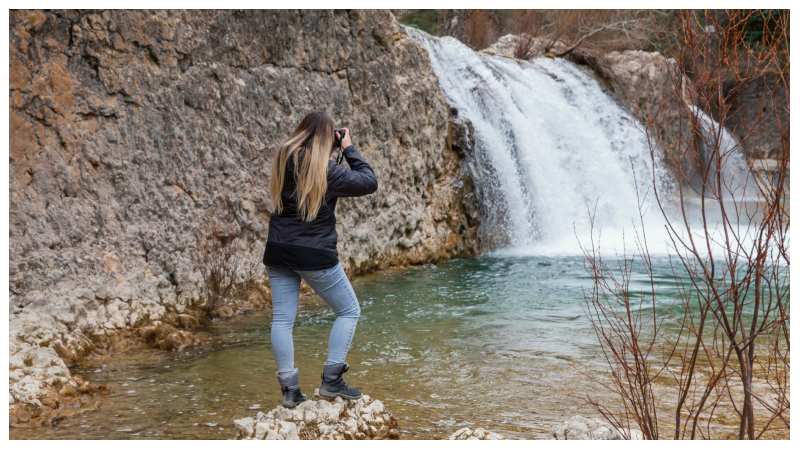
Follheur Waterfall is known as one of the most breathtaking natural attractions in its region. With its cascading sheets of water, mist-filled atmosphere, and powerful roar, it attracts hikers, photographers, and adventure seekers throughout the year. The waterfall is surrounded by thick forests, rocky formations, and a flowing river system that adds to its beauty. However, beneath this scenic charm lies a level of natural danger that many visitors often underestimate.
Whether you are standing at the viewing platform, exploring nearby trails, or climbing across slippery rocks, the power of Follheur can be deceiving. Its currents, height, and geological layout make it a site that must be visited with respect and caution.
1. Why People Are Curious About Falling Into It
Many tourists and online readers wonder what might happen if someone were to fall into Follheur Waterfall. This curiosity often stems from viral videos, adventure content, and myths passed through the local community. Waterfalls naturally inspire fascination; the combination of height, water pressure, and unpredictable terrain creates scenarios that people want to understand—even if only out of concern.
Curiosity also arises because some people stand too close to the edge for photographs or slip while crossing wet rocks. Knowing what could happen is not entertainment; it is vital information that helps people avoid accidents.
1.1 Safety, Reputation, and Local Concerns
Follheur Waterfall has a mixed safety reputation. While it is not considered one of the world’s deadliest waterfalls, it does pose significant risks. Local authorities frequently warn visitors to stay on marked paths and avoid climbing near the ledge. Over the years, rescue teams have responded to multiple incidents involving falls, slips, or people getting caught in the water’s strong currents.
Community leaders emphasise the importance of awareness and preparation. For this reason, understanding the waterfall’s structure, behaviour, and dangers is the first step to ensuring visitor safety.
2. Understanding Follheur Waterfall
2.1 Location and Natural Structure
Follheur Waterfall sits within a natural reserve that features steep cliffs, moss-covered stones, and dense foliage. The waterfall is fed by a river that gains strength during rainy seasons, creating a dramatic vertical drop. The plunge pool—the area where water hits the bottom—is deep, turbulent, and surrounded by uneven rocky walls.
Because of the region’s geological makeup, erosion is common, making the surrounding terrain unpredictable. Edges can weaken without warning, which is one of the reasons authorities advise people not to climb near the top.
2.2 Water Flow Strength and Height
The height of Follheur Waterfall varies depending on which measurement point is referenced, but it is considered tall enough to cause significant injury if someone falls. Its water flow fluctuates throughout the year:
-
Dry season: gentler currents but still powerful
-
Rainy season: strong, forceful water capable of pulling even strong swimmers
-
Storm season: extremely dangerous with rapid water level changes
The combination of height and water strength makes a fall hazardous even for experienced adventurers.
2.3 Surrounding Terrain and Hazards
Follheur’s surroundings include slippery pathways, unstable rocks, deep pools, and hidden underwater ledges. Moss grows thick on stones, making them deceptively slick. Some parts of the riverbed contain sudden drop-offs, while others house sharp rocks.
This terrain increases the chances of slipping and complicates rescue efforts.
3. What Happens If You Fall Into Follheur Waterfall
3.1 Immediate Impact of the Fall
Falling from any height carries risks, but falling into a waterfall adds multiple layers of impact. The first danger is the physical strike when the body hits the water surface or rocks below. Contrary to popular belief, water from a high altitude can feel almost like solid concrete due to surface tension.
Immediate injuries may include:
-
Broken bones
-
Concussions
-
Deep bruising
-
Disorientation
3.2 Water Pressure and Underwater Current
After the initial impact, the next danger is the water pressure. Waterfalls push downward with intense force, and falling into the plunge pool means being driven beneath the surface. People often describe the sensation as being “pinned down” by weight.
Once underwater, the currents continue to move:
-
Downward pressure forces you deeper.
-
Side currents may pull you toward rocks.
-
Backwash currents can trap swimmers in circular motion.
3.3 Risk of Getting Pulled Into Whirlpools
Some plunge pools develop whirlpools—rotating currents caused by the water hitting submerged formations. These whirlpools may:
-
Pull swimmers downward
-
Make escape extremely difficult
-
Causes panic, leading to poor decision-making
Not all whirlpools are visible from the surface. Even experienced swimmers can get trapped.
3.4 Potential Injuries from Rocks and Hard Surfaces
Waterfalls often hide jagged rocks beneath the foamy surface. Falling into these can lead to cuts, broken bones, or unconsciousness. Losing consciousness underwater dramatically increases drowning risk.
4. Survival Chances and Possible Outcomes
4.1 Physical Injuries You Could Sustain
Common injuries from waterfall falls include:
-
Fractured limbs
-
Spinal injuries
-
Head trauma
-
Cuts from rocks
-
Muscle strain from battling currents
Injuries limit your ability to swim, float, or escape, making survival more challenging.
4.2 Risk of Drowning
Drowning is the primary danger after a fall. The strong currents push the victim underwater repeatedly, making it difficult to breathe. Panic shortens survival time dramatically.
4.3 Cold Shock and Hypothermia
If the water is cold, falling in may cause:
-
Shock
-
Rapid breathing
-
Loss of coordination
-
Loss of body heat
Prolonged exposure can lead to hypothermia, especially if rescue is delayed.
4.4 How Rescue Teams Typically Respond
Local rescue teams are trained for such emergencies. Typical steps include:
-
Securing the area
-
Using harnesses and ropes
-
Deploying swimmers or boats if safe
-
Providing medical aid immediately
However, rescue may be delayed by poor visibility, weather, or dangerous water conditions.
5. Safety Precautions for Visitors
5.1 Areas to Avoid Near the Waterfall
Visitors should stay clear of:
-
The edge of the cliff
-
Wet rocks directly beside the waterfall
-
Unmarked trails
-
Areas without railings
5.2 Proper Footwear and Gear
Wear:
-
Non-slip hiking shoes
-
Weather-appropriate clothing
-
A small first-aid kit
-
A water-resistant flashlight if hiking late
Avoid flip-flops or sandals, which offer no grip.
5.3 Understanding Warning Signs and Local Rules
Respect posted signs. Do not cross restricted areas. Local rules exist because multiple accidents have occurred where warnings were ignored.
6. Real-Life Incidents and Reports
6.1 Documented Accidents at Follheur
Past incidents typically involve:
-
Slips during photo-taking
-
Falling from unstable rocks
-
Being swept by rapid currents
These reports highlight how quickly a peaceful visit can turn dangerous.
6.2 How Victims Were Rescued
Successful rescues often involved fast response times, teamwork, and proper equipment. Some victims were pulled out using ropes, while others needed emergency medical evacuation.
6.3 Lessons Learned from Past Cases
Key lessons include:
-
Never underestimate water force
-
Avoid stepping on wet or mossy rocks
-
Hike with a partner
-
Keep a safe distance from the edge
7. What to Do If You Fall In
7.1 How to Stay Calm and Float
Panic wastes oxygen and energy. Instead:
-
Try to remain calm
-
Tilt your head back and float
-
Control your breathing
-
Keep your limbs loose
7.2 Techniques to Escape Strong Currents
If caught in strong currents:
-
Swim sideways instead of against the flow
-
Look for calm patches
-
Use rocks or surfaces to push away
-
Let the current carry you until you’re free, then swim to safety
7.3 How to Signal for Help
If possible:
-
Raise one hand
-
Yell for help
-
Move to a visible area
-
Use bright clothing or gear to attract attention
8. Preventing Accidents at Follheur Waterfall
8.1 Smart Travel Practices
Before visiting:
-
Check weather conditions
-
Inform someone about your plans
-
Bring the necessary gear
8.2 Group Safety Tips
Travel with companions. Groups help:
-
Spot hazards
-
Provide support
-
Call for help in emergencies
8.3 Weather Awareness and Seasonal Hazards
Avoid visiting during:
-
Storms
-
Heavy rain
-
Flooding seasons
These conditions make the waterfall exceptionally dangerous.
9. Environmental and Geological Factors
9.1 Hidden Underwater Formations
The plunge pool contains unpredictable features such as:
-
Sharp rocks
-
Sudden depth changes
-
Tree branches carried by currents
These hazards are invisible from the surface.
9.2 Seasonal Water Volume Changes
Seasonal changes alter the waterfall dramatically:
-
Spring melts increase flow
-
Summer droughts reduce water depth
-
Autumn rains create fast-moving currents
-
Winter ice makes surfaces dangerous
9.3 Slippery Moss and Erosion Threats
Moss-covered stones are extremely slippery. Erosion weakens cliffs and riverbanks, creating sudden collapses.
10. Conclusion
10.1 Summary of Risks
Falling into Follheur Waterfall is dangerous due to:
-
Height impact
-
Strong currents
-
Hidden rocks
-
Cold shock
-
Risk of drowning
10.2 Why Caution Is Essential
Understanding the waterfall’s nature helps prevent accidents. Caution is not fear—it is awareness.
10.3 Final Safety Advice for Visitors
Stay on marked paths, wear proper gear, respect the environment, and never underestimate the power of nature. By staying informed and alert, visitors can enjoy Follheur Waterfall safely and responsibly.